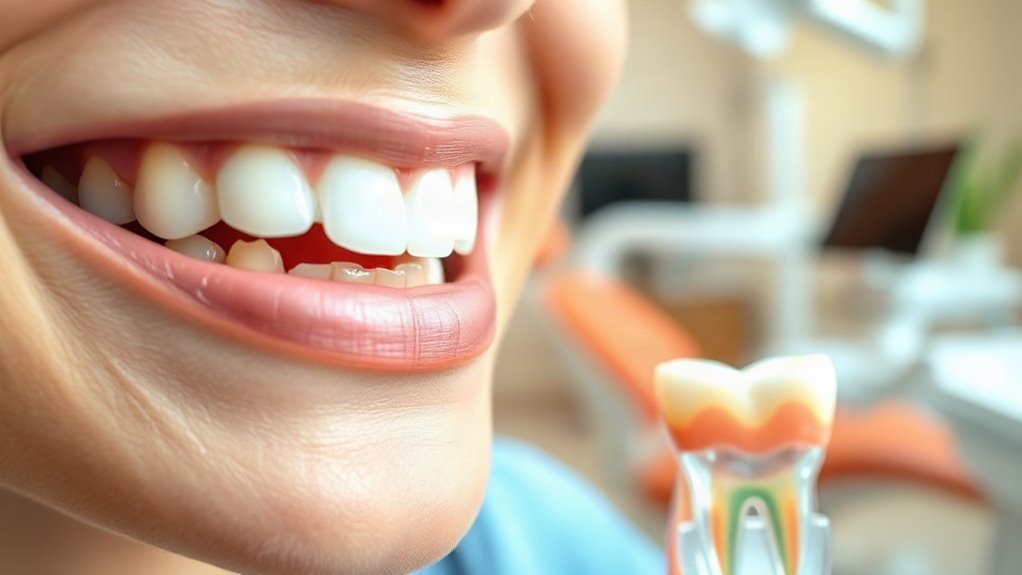
Good dental care begins with a clear picture of the problem, not with a rush toward treatment. A chipped tooth has lost a small or larger piece of enamel or tooth structure because of wear, biting force, trauma, or weakness. This guide looks at clear patient education in a way that is easy to use. The aim is to help you prepare for a useful talk with a dentist.
Simple preparation can save time at the visit and make it easier to understand the advice you receive. No two mouths are exactly alike. Age, gum health, bite, past dental work, habits, and health history can all affect the plan. That is why online advice should support a dental visit, not replace one.
Start by thinking about your main concern and how long it has been present. A search for dental clinic rajkot can help you start a local shortlist, yet a useful decision still depends on diagnosis, treatment choices, and follow-up. Then look for a clinic that can explain what it finds and show you the choices. A patient who understands the plan is in a better position to care for the result.
Brief Overview
- Chipped Teeth should be considered in the context of the whole mouth, not as an isolated label. A dental exam helps confirm the cause before treatment is chosen. Clear questions about options, timing, comfort, and follow-up make decisions easier. Daily cleaning and sensible habits support both natural teeth and dental work. Prompt advice is important when pain, swelling, bleeding, or damage is getting worse.
The Basics of Chipped Teeth
A chipped tooth has lost a small or larger piece of enamel or tooth structure because of wear, biting force, trauma, or weakness. It helps to understand the reason for each step. The same symptom or goal can have more than one cause. That is why a dental exam matters before any treatment choice is made. Tell the dentist what you feel, when it started, and what makes it better or worse.
It also helps to separate the problem from the treatment name. A patient may arrive with one idea and learn that another option fits better. The dentist should explain what is healthy, what needs care, and what can be watched. Think about cleaning and follow-up before you decide. A simple explanation makes it easier to take part in the decision.
Signs That Make a Dental Check Worthwhile
A sharp edge, visible missing piece, sensitivity, or a change in appearance are common reasons to seek care. Symptoms can be mild at first and still deserve attention. Watch for a change that lasts, returns, or affects eating and sleep. Dry mouth can raise the risk of decay when it lasts for a long time. Early advice gives you more time to understand the choices.
Urgent warning signs need faster action. Severe swelling, heavy bleeding, facial injury, or trouble breathing or swallowing should not be managed with home care alone. For less urgent changes, make a note of when the symptom began. Also note what triggers it and how long it lasts. A good discussion should cover benefits, limits, risks, and other choices.
What Happens During Dental Assessment and Diagnosis
The dentist checks how deep the chip is, whether the nerve is close, and whether there is a hidden crack. The goal is to find the cause, not just name the symptom. The dentist may compare several teeth or areas because pain can sometimes feel as if it comes from somewhere else. Your bite, gums, old dental work, and cleaning habits may also matter. Early advice can make choices simpler.
Tests should have a clear reason. Digital planning can make some restorative and orthodontic steps easier to review. Results are more useful when they are explained beside the exam findings. Ask the dentist to show you what they can see when that is practical. This makes the treatment plan easier to understand and compare. A search for best dental clinic rajkot can help you start a local shortlist, yet a useful decision still depends on diagnosis, treatment choices, and follow-up.
Long-Term Maintenance After Dental Treatment
Dental treatment is easier to protect when follow-up is planned from the start. Save any broken piece if you can, avoid biting on the area, and have the tooth checked even if pain is mild. Do not skip a review just because the area feels fine. Follow-up is part of treatment, not an extra step. The review schedule should reflect your own risk, not a fixed rule for every person.
At later visits, the dentist may check the gums, bite, tooth surface, and any restoration or appliance. Small adjustments can be simpler when changes are found early. Bring up any cleaning problem instead of working around it for months. If a part feels loose or the bite changes, ask for advice. Maintenance is one of the main ways to protect time and money already spent on care.
Frequently Asked Questions
What makes Chipped Teeth worth discussing with a dentist?
A chipped tooth has lost a small or larger piece of enamel or tooth structure because of wear, biting force, trauma, or weakness. The effect can be small or more involved dental clinic rajkot depending on the cause and how long it has been present. A dental exam helps show what needs care now and what can be watched. That is more useful than guessing from one symptom.
When should I book a dental visit about Chipped Teeth?
A sharp edge, visible missing piece, sensitivity, or a change in appearance are common reasons to seek care. You should seek faster advice if swelling, severe pain, heavy bleeding, fever, or trouble swallowing develops. If the change is mild but keeps returning, it still deserves a planned visit.
What can I expect at a consultation for Chipped Teeth?
The dentist checks how deep the chip is, whether the nerve is close, and whether there is a hidden crack. The dentist may also ask about past treatment, medicines, habits, and your goals. Tests or images should be used when they add useful information. You can ask the dentist to explain each finding in simple words.
Can the right plan for Chipped Teeth differ from person to person?
Small chips may be smoothed or bonded, while larger damage can need a filling, veneer, crown, or other repair. The right plan can differ from one person to another. Ask about benefits, limits, timing, maintenance, and any reasonable alternative. A clear plan should match the diagnosis rather than a popular treatment name.
How can I look after my mouth while managing Chipped Teeth?
Save any broken piece if you can, avoid biting on the area, and have the tooth checked even if pain is mild. Use home care to support professional advice, not to replace needed treatment. If symptoms get worse or a new problem appears, contact a dental professional. Steady habits are usually easier to maintain than sudden short-term changes.
Summarizing
Good dental decisions are built on a careful exam, simple explanations, and realistic follow-up. For chipped teeth, start with a proper assessment and ask what the dentist has found. Compare choices by health, comfort, upkeep, time, and cost rather than one feature alone. Make sure you know what happens next.
Save any broken piece if you can, avoid biting on the area, and have the tooth checked even if pain is mild. A calm, informed approach can help you make choices that fit your health, schedule, and goals. If you are unsure, ask for the plan in simpler terms before you agree to treatment. A clear plan and steady home care can make long-term dental care easier to manage.